Some Known Facts About Lab Grown Diamonds.
Table of ContentsSome Known Details About Lab Grown Diamonds Lab Grown Diamonds Can Be Fun For AnyoneExamine This Report about Lab Grown DiamondsGet This Report on Lab Grown Diamonds
As you travel closer to the Planet's core, stress and temperature level boost, which creates the perfect stove for carbon to be exchanged diamond (diamonds are the only gems to be made from purely one aspect). Through a substantial volcanic eruption, these rubies were transported to the Planet's surface area. It's approximated this process was fairly fast (probably throughout numerous hours), which enabled the diamonds to remain undamaged without melting.The brief answer: carats gauge the mass of rocks, karats determine the pureness of gold. Carat weight: 1 carat weight is equivalent to 0.2 grams, about the weight of a paperclip (following time you see an image of Mariah Carey's 35 carat involvement ring, just think of the concern of bring 35 paper clips around your finger every day).
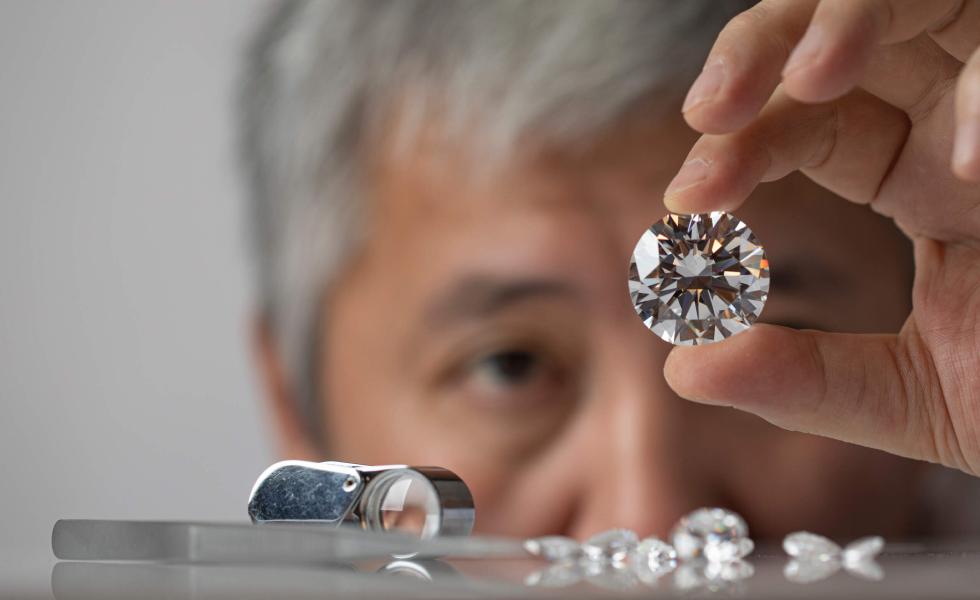
Right here are a few of the essential advantages of laboratory expanded diamonds and lab grown up diamond jewelry:.
An Unbiased View of Lab Grown Diamonds
In other words, natural or earth-mined rubies are crafted over numerous years below the Planet's crust from pure carbon combined with stress and warm. Developing rubies in a lab needs the exact same procedure, simply fine-tuned to happen over a much smaller sized timespan in a a lot more controlled setup.
Whereas earth-mined rubies are rare and finite and often tend to increase in price over time, laboratory diamonds are easily offered., like lab-grown diamond rings, they won't be a great fit for your needs.
They might believe that the disadvantages of lab-grown rubies outweigh the pros. Some could suggest that, for this reason, buying a lab-made ruby also comes with its ethical considerations, as doing so takes revenue away from those involved in the all-natural diamond industry that might need it most.
Conventional diamonds depend on the Earth's conditions to determine their high quality or absence thereof. In a laboratory, makers can straight regulate a ruby's quality. Yes, there are honest and ecological factors to consider with both extracted and manufactured rubies. Expect your budget plan just allows you to shop for certain colors or cuts of all-natural rubies.
Some Known Facts About Lab Grown Diamonds.
You can quickly discover tinted, synthetic rubies on the (reasonably) inexpensive side as well as specific cuts that would be more expensive if you were going shopping for a mined ruby only. That rarely indicates it isn't worth protecting.
natural rubies is that the latter is extracted from all-natural deposits in the Planet while the previous is made in a lab utilizing regulated setups. Their high quality is greatly the exact same. While the difference between lab-grown and natural ruby alternatives are minimal when it concerns top quality, some of the downsides of lab-grown diamonds consist of the truth that the rock will certainly depreciate gradually and, to some, a lack of sentimental worth useful source that's often related to extracted diamonds
The process includes marginal land disturbance and removes concerns associated with deforestation and environment destruction. Lab-grown diamonds are usually more inexpensive than all-natural rubies. This cost distinction can be credited to the structured manufacturing procedure and the evasion of expenses related to standard mining. The Controlled Atmosphere in Which Lab Grown Diamonds Are Produced Permits Regular Quality.
Adaptability in Layout - Laboratory Grown Diamonds Deal Designers and Consumers a Versatile Palette to Create Distinct and Cutting-edge Precious Jewelry Layouts - Lab Grown Diamonds. Laboratory Rubies Commonly Come with A More Clear Supply Chain.
Getting The Lab Grown Diamonds To Work
Market Perception - In Spite Of Their Similar Physical Characteristics, Lab Diamonds May Face Tests in Market Assumption. Some Customers Still Perceive Natural Diamonds as Having Greater Worth and Prestige. The Manufacturing of Lab-Grown Diamonds Can Be Energy-Intensive, Especially in Methods Like High Pressure High Temperature level (hpht) and Chemical Vapor Deposition (cvd).
Natural Diamonds Are Formed Over Numerous Years Deep Within the Planet, Adding To Their Regarded Rarity. Lab-Grown Rubies, In Spite Of Their The Same Quality, Might Not Bring the Exact Same Rarity Factor, Impacting Their Perceived Worth for Some Consumers. Influence On Diamond-Dependent Economic Climates - the Shift In The Direction Of Lab Grown Diamonds Might next page Have Financial Effects for Nations and Communities that Rely On The Diamond Mining Market.
Laboratory Diamonds Are of Equal High Quality to Natural Diamonds in Terms of Hardness, Radiance, and Clearness - Lab Grown Diamonds. Yes, Laboratory Diamonds Sparkle Just Like Natural Diamonds. Their Brilliance and Shimmer Are an Outcome of Their Cut and The Method Light Interacts with Their Aspects.